Language Matters: What Groundswell Taught Us About the Words We Use
The way we use language shapes understanding, trust and decision making. Some words used can open conversation or, in some cases, shut it down altogether. Our language shapes who feels included, what actions are taken, and whether people trust the person using it.
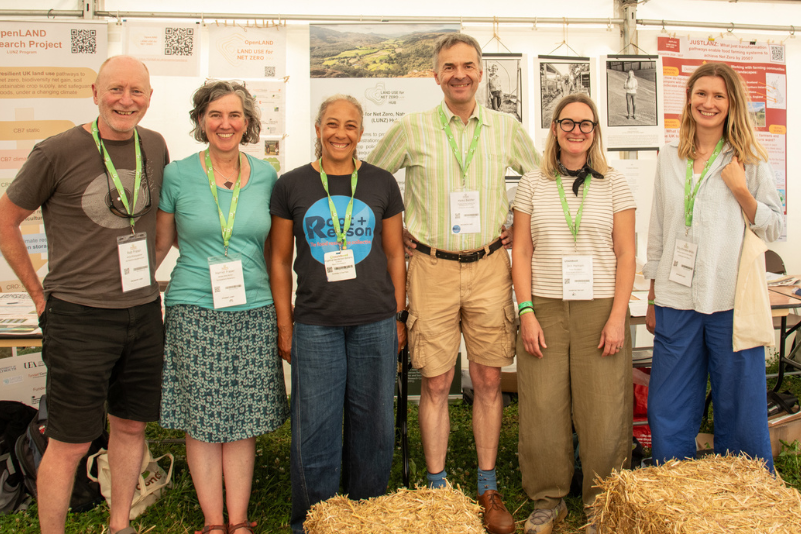
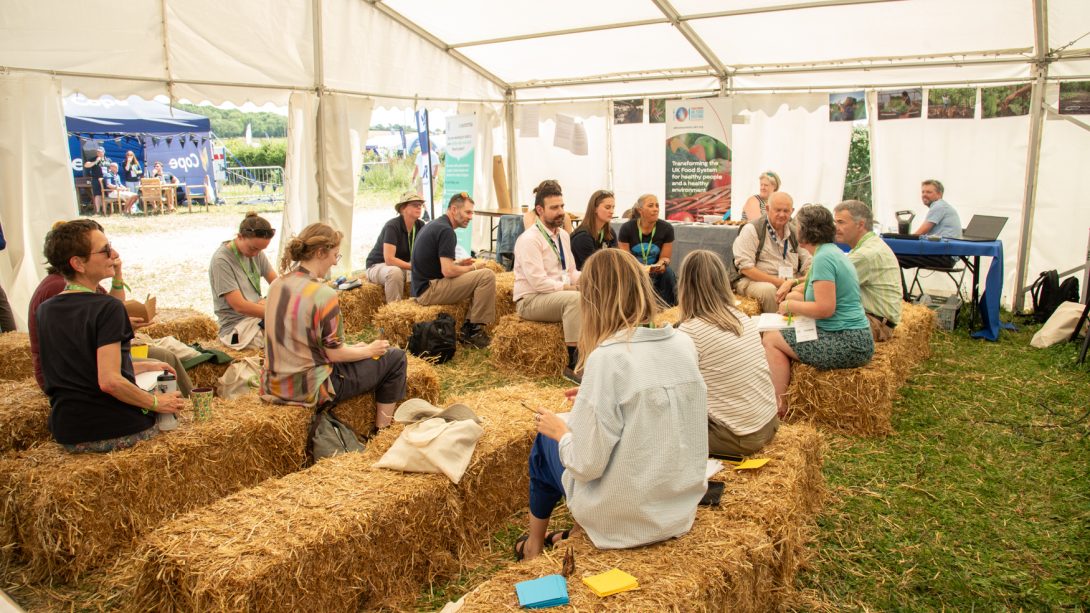
Throughout the year, we’ve been collecting terms and phrases that present a challenge because they’re either jargon, carry unintended meaning, provoke an emotional response, or quietly exclude groups and individuals. At Groundswell we had the opportunity to continue this work and hosted a workshop on the second day where we invited people to share their experiences and explore how we can do better.
Groundswell welcomes a community of people who broadly share the same values, but within that shared space there’s diversity of interpretations and approaches. Perhaps unsurprisingly, regenerative popped up again and again. Whilst many agree with the principles, it was felt that the term was overused and becoming brand over practice, risking overshadowing the people making genuine progress towards regeneration.
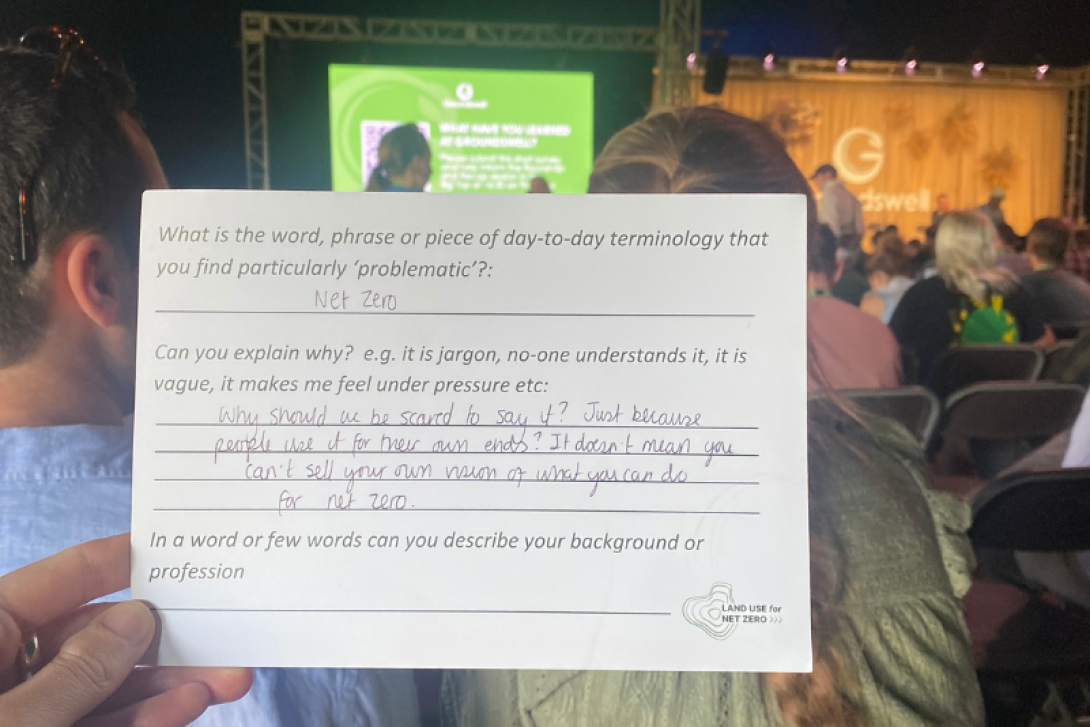
Language is rich, but words can sometimes be misinterpreted as labels. Net zero is often cited as something people don’t really understand, and therefore misuse. Or as one attendee put it, why should we be scared to say it? Just because some people use it for their own ends doesn’t mean the rest of us can’t use it to sell our own vision of what we can do for Net Zero.
During our conversations and the workshop, we identified how words shape power, perception and action and the following themes were discussed.
Language creates power imbalances
There is often a disconnect between top-down messaging and bottom-up activity. Government documents that use phrases such as we use land more effectively, or efficient land management may sound neutral, but they can carry an implied sense of judgement or authority. Who does we refer to – Government, researchers, or farmers on the ground? And do the words more effectively and efficient imply not enough is being done? Even well‑intentioned phrases can signal hierarchy and blame, shaping how people engage with and position themselves in a conversation.
Words trigger emotional responses
Several terms triggered frustration, anxiety, or defensiveness. It was felt that Net zero had been politicised and created a barrier to meaningful conversations about reducing emissions. Rewilding was framed as something positive for nature, however, carried negative connotations in the farming community. Carbon credits made some worry nature was being reduced to a commodity. These reactions highlight how language intersects with identity, values, and lived experience.
Buzzwords blur meaning
Many commonly used terms such as sustainability, soil health, resilience, community mean different things to different people. Without definition, they can obscure rather than clarify. This vagueness can be useful when used intentionally to invite broad participation, but harmful when it masks assumptions or hides the real issue.
Who gets left out of the words we choose
Language can also feel exclusionary. Community and Stakeholder were both picked out as words that sound inclusive but rarely specify who’s actually meant, how many overlapping communities one person might belong to, or where the boundaries even sit. Even more importantly, we shouldn’t describe people by the absence of a characteristic, for example, non-white, non-academic. Framing someone by what they aren’t is still a way of leaving them out.
From naming the problem to doing something about it
By defining these words and phrases and how we perceive them, the workshop moved toward what we can do differently. A few principles came through clearly:
- Define your terms at the outset with your audience in mind. The same word can be read completely differently depending on who’s listening, so don’t assume shared meaning, state it.
- Be specific instead of reaching for the buzzword. Say what you actually measured, or what you actually mean, rather than the word that sounds right.
- Notice when vagueness is doing useful work. Words like community or nature can be deliberately open, inviting people to bring their own interpretation. The skill is knowing when openness helps and when it’s hiding a decision.
- Reframe rather than abandon. Instead of dropping ‘rewilding’ altogether, be clear about what you mean, and shape it around the values and lived experience of the person you’re talking to.
- Be prepared to evidence your claims. If you’re using a word like regenerative, be ready to show the regeneration in practice.
The collective perspective was to use language more thoughtfully. Next time you reach for one of these words, it’s worth pausing for a second to ask, who’s my audience, and what is my decision process for using this word?
We’ll keep collecting terms throughout the year. If there’s a word or phrase that’s tripped you up, confused a conversation, or triggered an emotional response, we’d be interested to hear it. This list is a living one, and it only gets better with more voices in it.
Subscribe to our Newsletter
A quarterly update of all LUNZ Hub activities, events and news stories.