Exploring Lowland England: Day 2 of our 'Big Tent' event in Ely
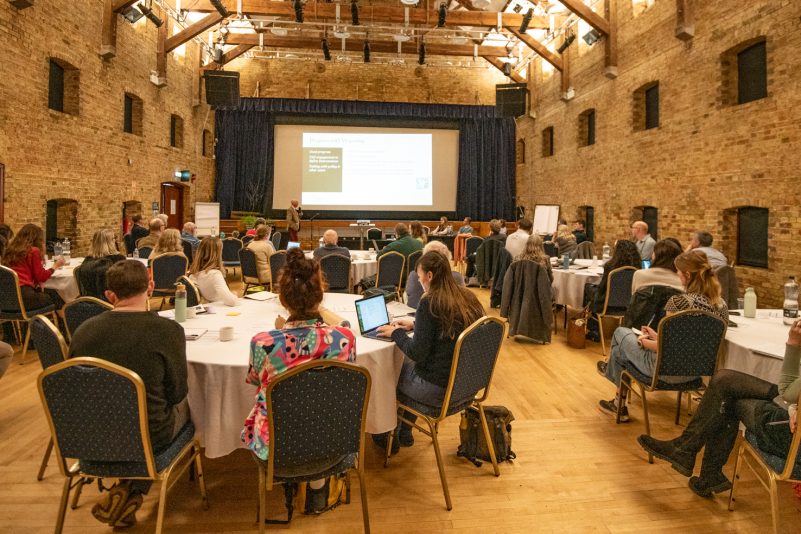
The Ely Big Tent event highlighted the value of the LUNZ Hub in bringing together farming, research, and policy perspectives to address the complex challenge of land use in lowland England.
We first heard from our keynote speaker Anjali Goswami, Chief Scientific Officer who opened by grounding the discussion in the pressures facing England’s landscapes. Climate change, habitat degradation, flooding, and competing demands make land management both a technical and social challenge. This framing set the tone for a day focused on complexity, collaboration and long‑term thinking.
A central theme to Anjali’s speech was around evidence-led decision making and the timing of the event was significant, coming just one day after the launch of the Land Use Framework for England. Crucially, the framework asserts that England does have enough land to meet its multiple demands but only if land-use decisions are based on evidence.
To drive this, Anjali announced that Defra is establishing a Land Use Unit bringing scientists, analysts, policymakers and delivery experts together from the outset. This is intended as a model for how evidence should shape policy as integrated, cross‑disciplinary, and responsive.
Anjali also emphasised the importance of data and monitoring, describing the Natural Capital and Ecosystem Assessment (NCEA) as the gold standard, providing an essential baseline for future land‑use planning and environmental schemes.
The LUNZ Hub was celebrated as a model for agile, collaborative research across government, academia, industry and the four nations. Its rapid call‑down projects, co‑designed research and strong stakeholder relationships were presented as essential for tackling complex, fast‑moving land‑use challenges.
Finally, the event’s focus on lowland peat was welcomed as an opportunity to highlight a landscape that is often overlooked despite being vital for net‑zero ambitions. Anjali recognised the importance of lowland peat for emissions reduction, the potential of paludiculture, and the need to translate lessons across different systems.
This recognition positions lowland peat as both a priority climate asset and a testbed for innovation in land‑use change.
Overall, the reflection underscored a clear message that achieving net zero, restoring nature and preparing for a warmer, wetter future will depend on strong partnerships between science, policy and practice – and on using evidence to guide every land‑use decision.
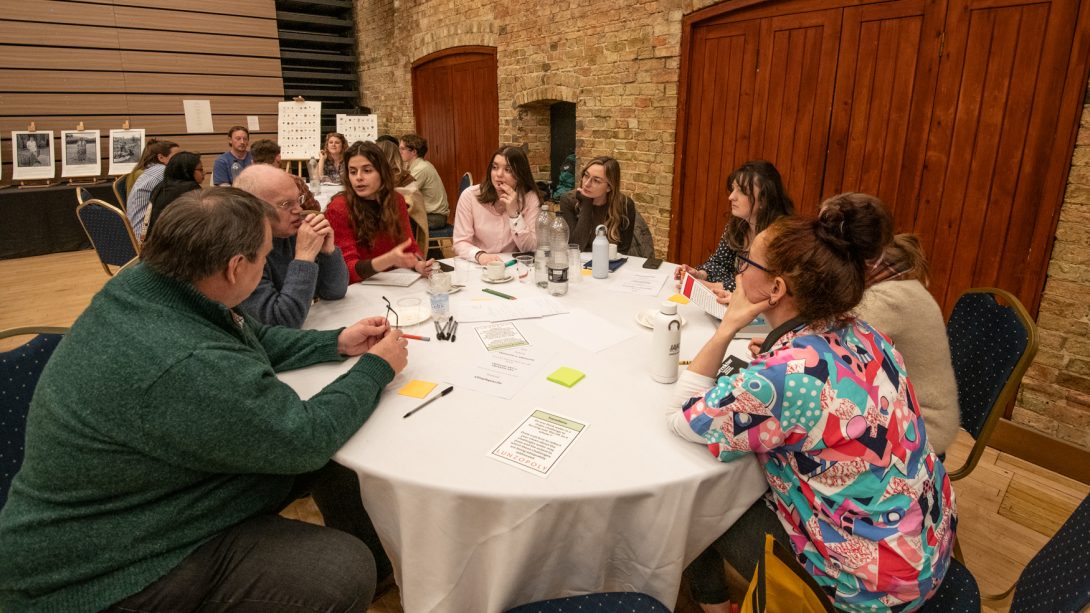
Throughout the day, we heard from expert speakers sharing their experiences, challenges and perspectives on land use systems in Lowland England. Across the sessions it was clear that achieving net zero is a technical, social, economic, and place-based challenge. Read our key reflections here.
Subscribe to our Newsletter
A quarterly update of all LUNZ Hub activities, events and news stories.