Grasslands

Why Grasslands Matter to the UK’s Future
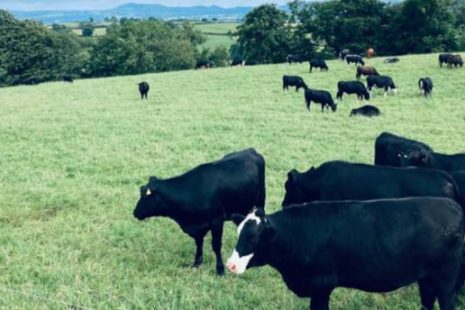
Grasslands, both temporary and permanent cover more than 70% of the UK’s farmland. They are one of our most important natural assets. Not only do they help produce healthy, nutrient-rich food, but they also play a major role in tackling climate change and protecting wildlife.
Helping the UK Reach Net Zero
Healthy grassland soils store large amounts of carbon. In fact, storing carbon in soils, mainly under grasslands, could deliver around half of farming’s total potential to cut greenhouse gas emissions.
The Intergovernmental Panel on Climate Change (IPCC) has stressed that improving how we manage grazing land and livestock is essential for climate action. At the same time, the UK’s Committee on Climate Change has shown that increasing UK forest cover by just 4% could reduce nearly a quarter of annual agricultural emissions by 2050.
Smarter Land Use, Bigger Impact
By improving how we use grassland, the UK could significantly cut emissions while also saving more than £1.6 billion per year.
There are many ways to do this, including:
- Precision grazing (managing livestock more carefully to improve soil and grass health)
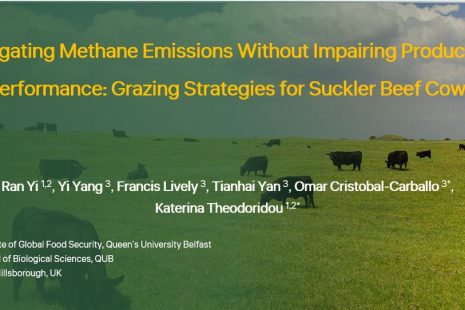
- Low-carbon and methane-reducing animal feeds
- Planting diverse grass and plant species together
- Silvopasture and agroforestry (combining trees and grazing animals)
- Growing biomass crops
- Planting new woodland in suitable areas
These approaches can help reduce emissions, improve soil health, increase biodiversity, and strengthen farm businesses.
Why Action Is Urgent
To unlock these benefits, we need to rethink land use and policy making solutions. Large-scale, long-term, and joined-up grassland management will be essential if the UK is to meet its climate and nature targets.
About the LUNZ Grasslands Project
This project focuses on transforming UK grasslands to support the journey to net zero, while also improving:
- Soil health
- Biodiversity
- Farm productivity and rural economies
The work is organised into five interdisciplinary work packages, bringing together experts from different fields.
We will:
- Assess innovative farming approaches
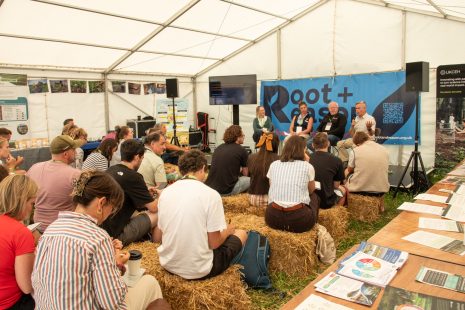
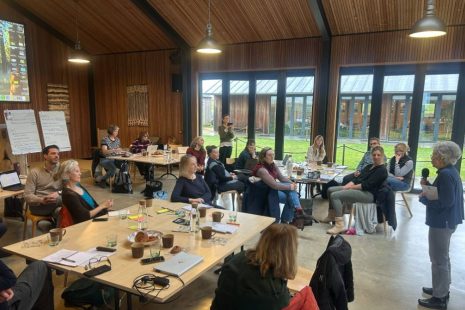
- Work directly with farmers and stakeholders
- Model different land-use scenarios
- Develop practical pathways for adoption
- Inform future policy decisions
The project recognises the different landscapes and farming systems across England, Wales, Scotland, and Northern Ireland, while also addressing shared challenges.
Our aim is to help shape policies that:
- Deliver public environmental benefits
- Protect natural and cultural heritage
- Support the UK’s Net Zero Growth Plan
- Provide practical, workable solutions for farmers
Connect with us on social media
Subscribe to our Newsletter
A quarterly update of all LUNZ Hub activities, events and news stories.
Project resources
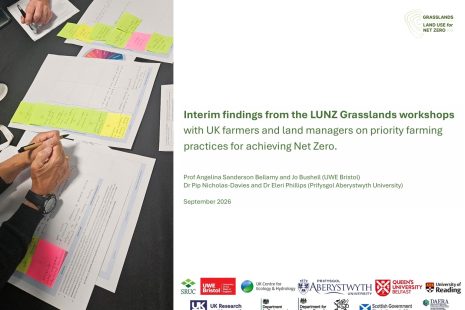
Interim findings from the LUNZ Grasslands workshops with UK farmers and land managers on priority farming practices for achieving Net Zero
This interim report presents research undertaken by the LUNZ Grasslands project team in collaboration with pasture-based farmers and land managers between May 2025 and April 2026. The research addresses the question of how sustainable, acceptable and accessible land use for Net Zero can be delivered across UK agricultural grasslands. The…
Grassland Matters - a Demonstration Farm series
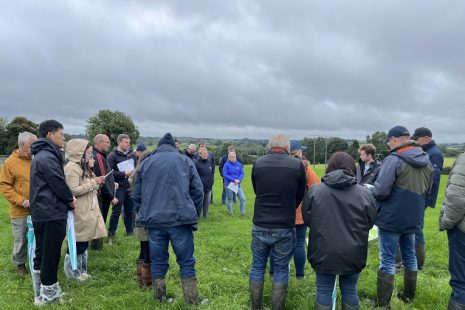
Presentation of the LUNZ Grasslands interim findings from engagement with the UK farming community - Work Package One
This 17‑minute presentation provides an overview of the LUNZ Grasslands interim findings from engagement with the UK farming community.