From metrics to storytelling: making sense of hidden impact

Impact is about change: the difference research makes beyond the project that produced it. But change does not happen on its own. It depends on relationships, decisions and opportunities that are often invisible in publications, metrics or performance indicators. When they stay hidden, we lose valuable lessons about how change happens.
For intermediaries like LUNZ Hub’s Agile Policy Centre (APC), surfacing impact is a real challenge. We track activities, reports and engagement, and gather evidence of how this work has informed policy. We use metrics and indicators that tell us something happened and help us report progress against the LUNZ Hub’s Theory of Change, the plan for how our work leads to achieving net zero targets. But they say little about how outcomes build, connect and translate into impact, why they matter and to whom, what stood in the way, and what can be carried forward.
How do we make sense of this and bring hidden impact into view before the project ends? Storytelling can fill that gap. It lets us understand not just what changed, but how and why.
This was the starting point for the Impact Storytelling Workshop, led and designed by the APC.
Who was in the room
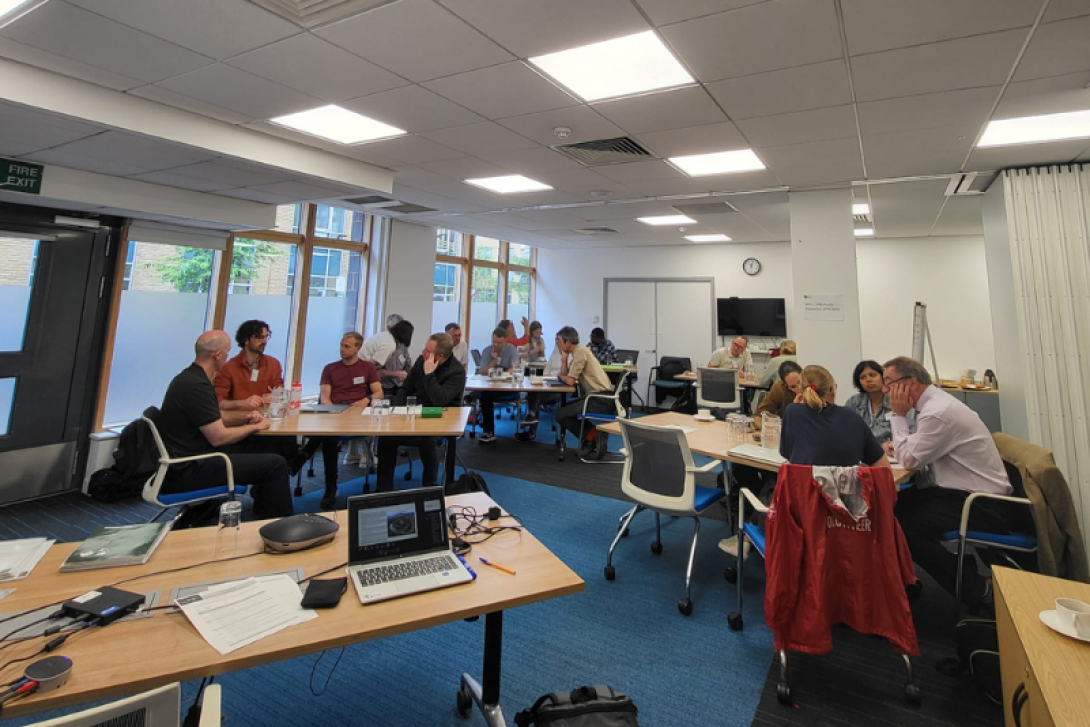
Nick Millard, APC’s co-convener, and I, APC’s Policy and Impact Lead, shaped the two-day workshop in London. We regularly bring researchers, consultants and policy advisers together for calldowns, the rapid evidence requests we receive from policy. This time we did it at scale, with the teams who delivered the commissioned calldowns and the advisers who requested them, all in one room. We also invited early career researchers (ECRs) engaged with the APC through the LUNZ Hub’s mentorship programme, adding a training element for the next generation of science-policy intermediaries.
The workshop was not prescriptive. We set out to identify what impact storytelling could involve. Over two days, working from the calldown reports already published on the LUNZ Hub website, we built impact narratives together.
Different views of the same work
So, what are the key ingredients of an impact narrative?
The discussions showed that an impact narrative is not a retelling of the research problem. It is about what the research set in motion, what shifted, what came next, and what wider benefits may follow.
A recurring insight was that impact narratives depend on context and perspective. Researchers see the reports they deliver. The APC sees the co-design, commissioning and work that helps policy advisers use those reports, in line with LUNZ Hub’s Theory of Change. Advisers and sponsors see a report as input into a live discussion or decision. Impact sits across all these views. Looking at one contribution alone risks missing the wider system where impact emerges.
Impact often begins before we can name it
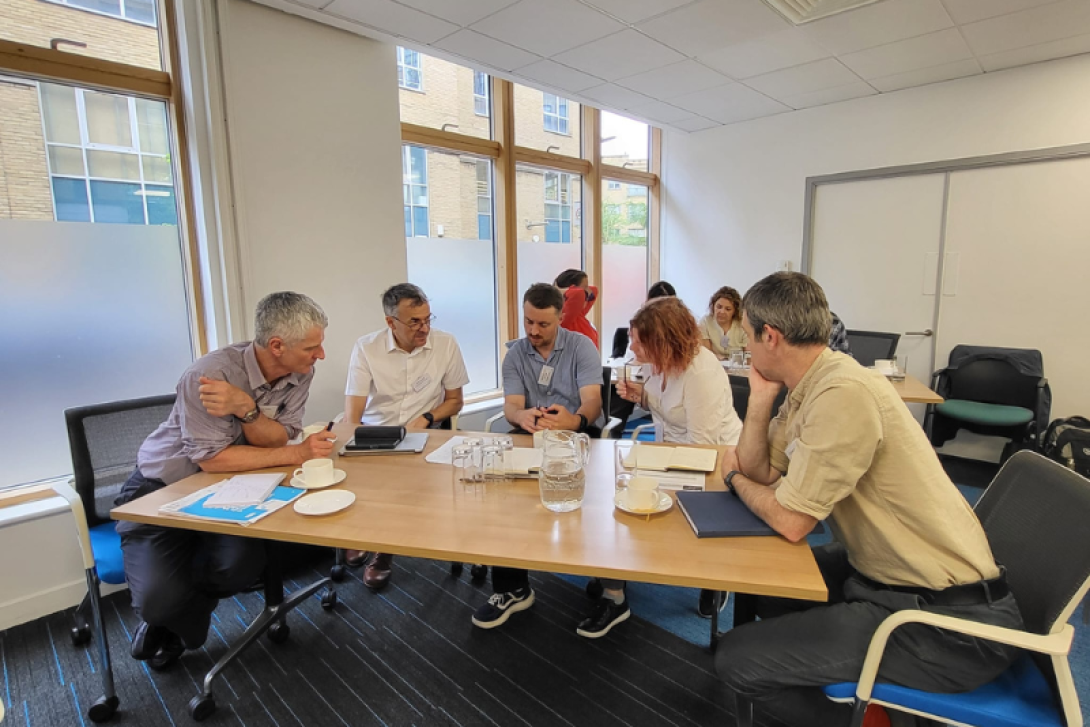
There is no simple answer to when calldowns create impact. The workshop showed that impact often starts before we can name it. As groups described their roles, hidden impact came into view: lasting relationships, reused evidence, and shifts in language and framing. Examples also included unsolicited adviser follow-ups, wording picked up in other documents, recommendations in public plans, continued collaboration, and new funding.
These early signals matter. A shift in awareness today can create the conditions for a larger policy change tomorrow. Metrics can miss this. Co-design, partnerships and honest reflection do not guarantee impact, but they make it more likely.
Tensions drive storytelling
Every good story needs tension, the pinch point that makes people care what comes next. Without it, you have a list of events, not a story. In impact stories, tension may sit between urgency and careful co-design, scientific rigour and practical value, or joined-up synthesis and policy and scientific silos. Naming it shows what blocked change, what moved it forward, and what needs to happen next.
That led us to the ABT method: And, But, Therefore. The And is what we did. The But is what stood in the way. The Therefore is what changed: a sharper understanding, a named roadblock, a new way of working, or an outcome.
The ABT method was only briefly presented, but participants quickly identified tensions in their own work. Once named, those tensions were easier to discuss and helped show where change had happened across calldowns, and where it was still needed.
Impact builds in iterations
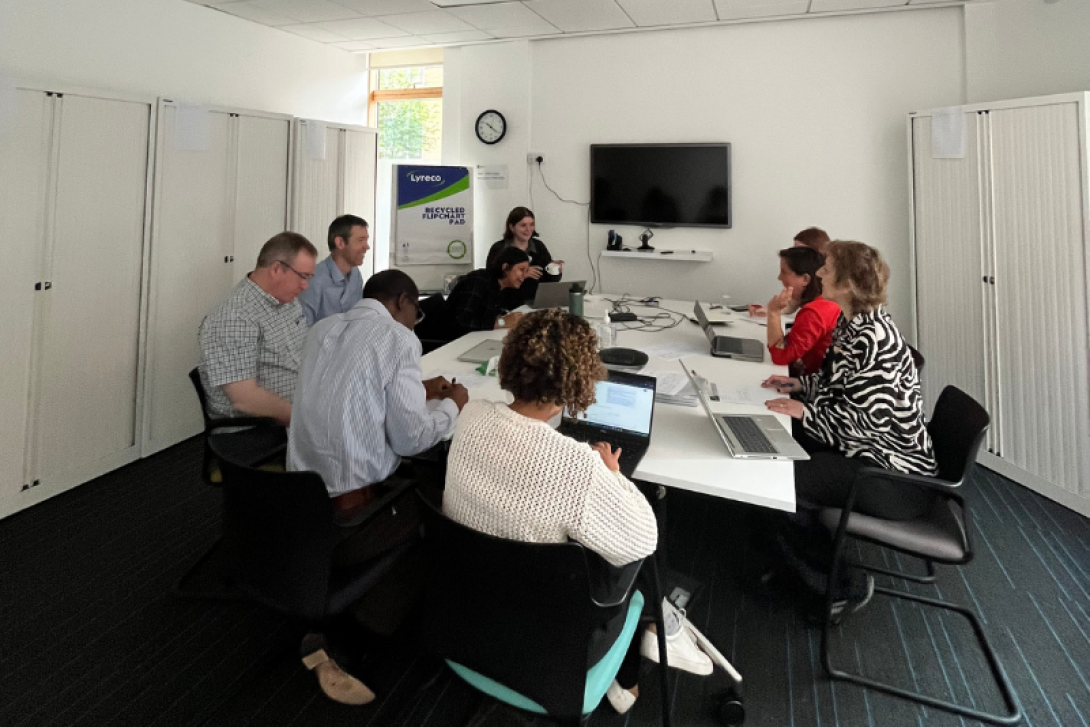
The workshop changed how I think about calldown impact. Work that meets an immediate policy need can take much longer to become a wider benefit. So when do calldowns generate impact beyond policy outcomes?
We did not reach a tidy answer. Impact is rarely a single event; it builds in iterations. A calldown shifts departmental language. That language enters policy or strategy, then implementation, and eventually changes practice or behaviour on the ground. Each step has value and opens the door to the next.
The LUNZ Hub’s Theory of Change places many of its intended impacts, including the four-nation approach to the seventh carbon budget and land managers pursuing net zero pathways, further downstream from policy development. Yet the workshop highlighted that policy outcomes have value in their own right. They may not constitute the downstream impacts envisaged in the Theory of Change, but they are often necessary steps towards them. This is also why our job does not end when a calldown closes.
What participants took away
By the end of the workshop, many participants looked at their own work differently. People who came to account for outputs left more aware of the stories their work might already hold: curious, provoked and interested in how those stories could make the often-hidden work behind impact visible.
Metrics tell us that something happened; stories help us interpret why it matters, who it matters to, how it may become positive change, and how those experiences can be shared. That is why impact needs storytelling. It is also why our job at the APC is to keep asking and reporting, long after a calldown closes, what happened next.
Acknowledgements: With thanks to Graeme Willis and CPRE for hosting us, this year as CPRE marks its centenary. If the work of protecting and shaping the English countryside speaks to you, do visit cpre.org.uk to find out more. Thanks too to Caroline Thomson, Erica Garrido Magaz and Fiyin Oyeneye (James Hutton Institute) and Tilly Kimble-Wilde (Sustainable Soils Alliance), whose support kept the two days running, and to the 26 participants who shaped the six thematic narratives that will feed our impact repository.

Ioanna Akoumianaki
Senior Policy and Impact Lead for the Agile Policy Centre
Read the full blog
Subscribe to our Newsletter
A quarterly update of all LUNZ Hub activities, events and news stories.