
Wood Pasture Creation as a Nature-based Solution for Climate Change
Nature-based Solutions (NbS) are an important way of tackling climate change and enhancing biodiversity. They also work beyond these benefits to address wider social and economic-related challenges, providing human wellbeing and biodiversity enhancement (IUCN, 2016).
Nature Returns is a flagship programme that has been running since 2021, led by Natural England. It has been delivering practical solutions for nature and climate at six Local Partnership Projects across England, building scientific evidence to support policy and investment.
Wood pasture, as an NbS, has been created at five sites with outcomes aligning well with the Land Use Framework principles of Multifunctionality and Right use, right place. Our new report on wood pasture creation was published today and is available here: Access to Evidence.
What is wood pasture?
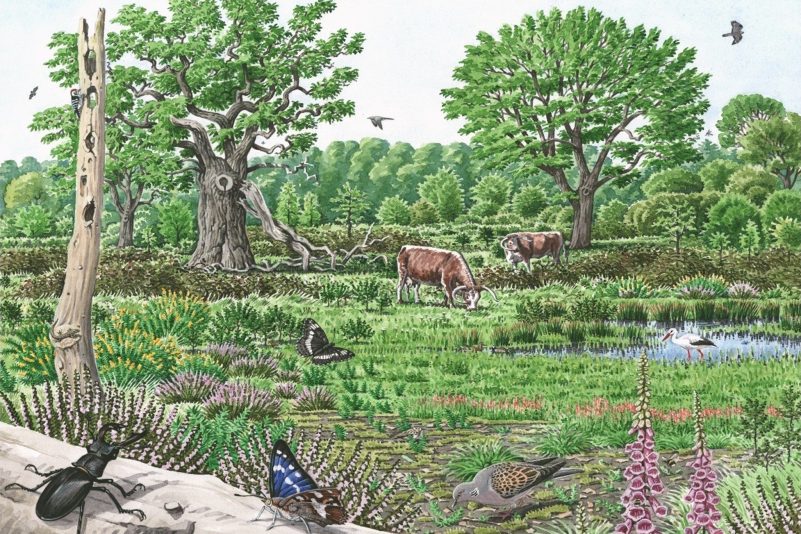
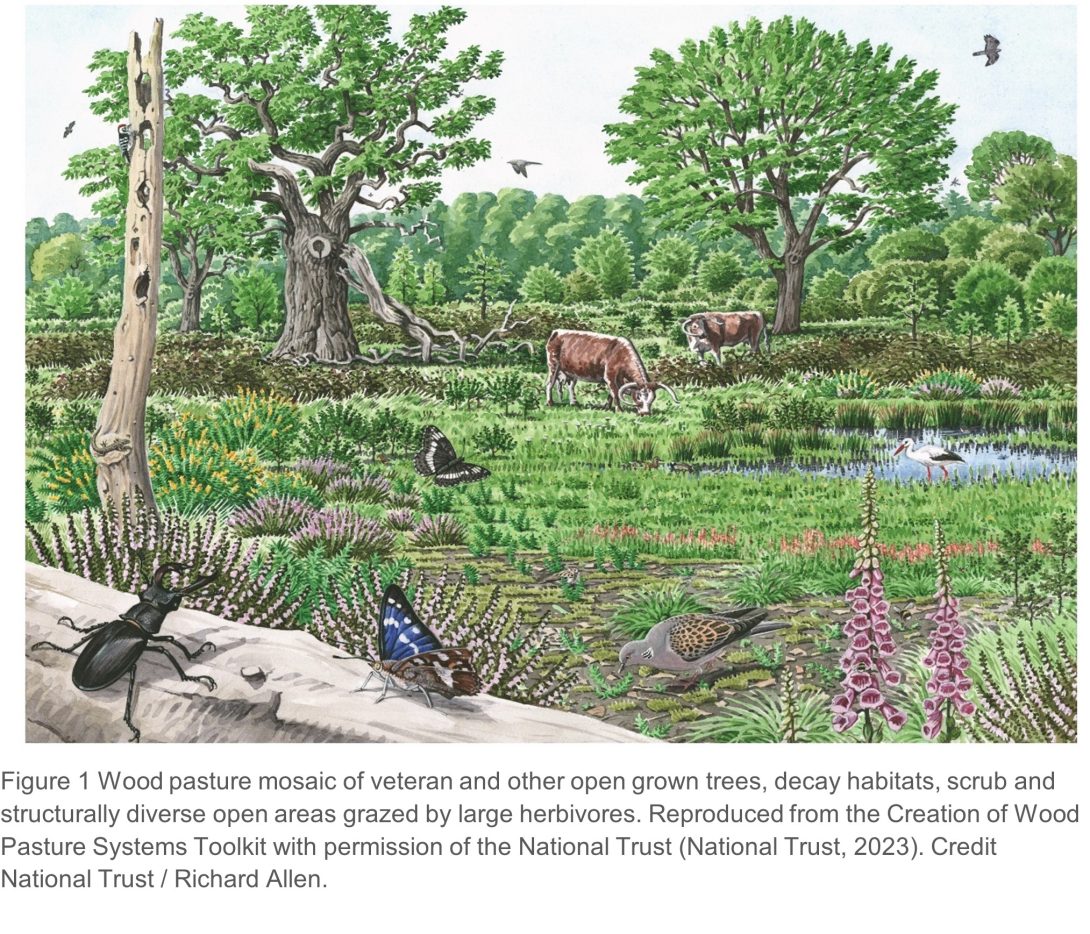
Wood Pasture and Parkland is a priority habitat, featuring open-grown trees or pollards set within a mosaic of grazed scrub and semi-natural habitats (Figure 1). True wood pasture is a form of silvopasture that is highly biodiverse, is shaped by long-established management traditions and takes a long time to develop. New wood pasture creation can, nevertheless, still adopt these principles to eventually mimic these characteristics. Any form of wood pasture is an effective NbS – trees take up and store carbon; but also provide shade and can slow rainfall run-off, both useful adaptation strategies in a changing climate.
The Local Partnership Projects (LPPs) – case studies
Wood pasture creation was a popular choice for our LPPs, but the approach taken was varied and dependent on unique circumstances. In the report, we explore wood pasture creation at Wild Exmoor Carbon Sequestration, Severn Solutions for Nature’s Recovery and two sites from Plymouth Natural Grid.
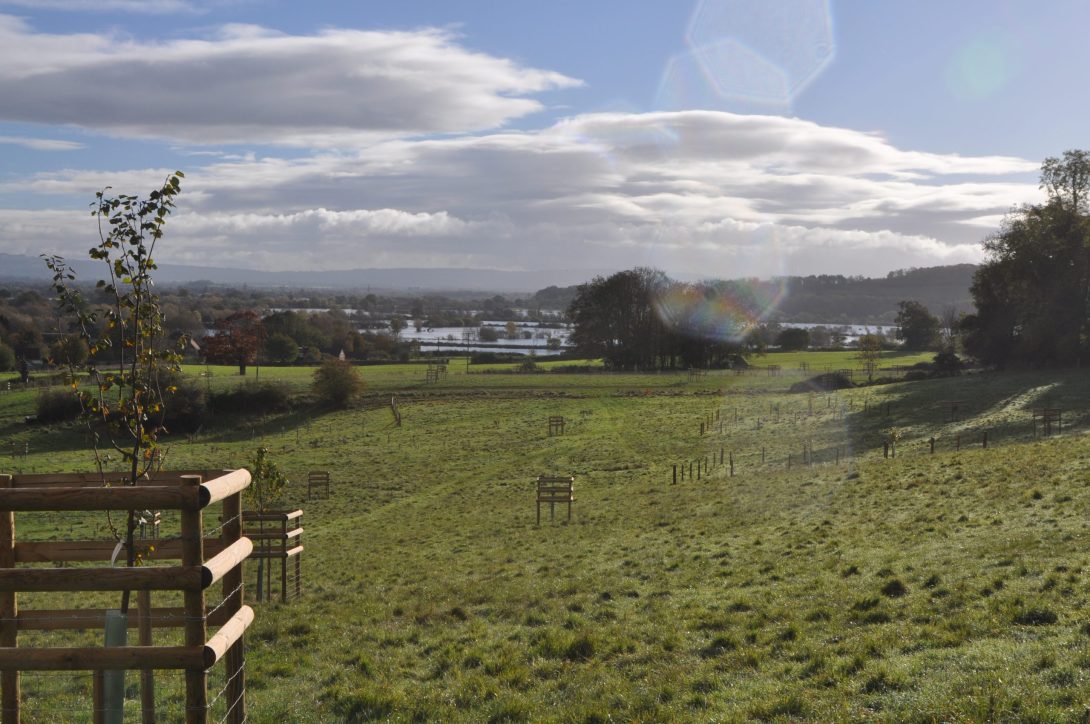
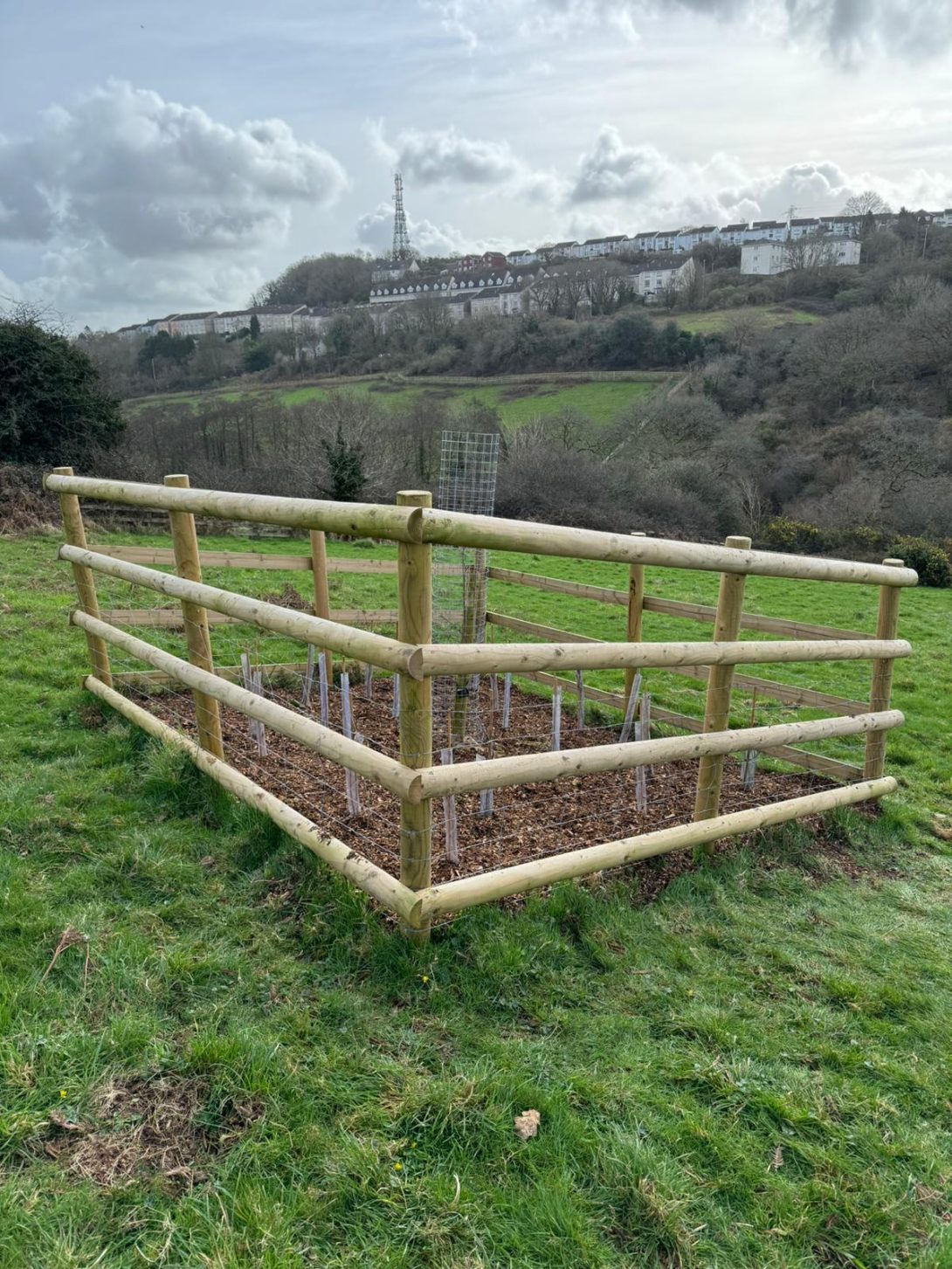
All projects created wood pasture on grassland and all selected planting as the main mechanism for tree establishment, but the layout of planting varied across the sites. For example, at Wild Exmoor Carbon Sequestration, copses were planted onto sloping grassland and were surrounded by shrubs. In contrast, at Plymouth Natural Grid: Wembury, trees were planted in larger clumps. All LPPs tended to choose mixed broadleaved species, the most common including oak, cherry, alder, hazel, sycamore, poplar and lime. Our analysis of carbon storage potential 20 years after planting showed a large variation across the case studies.
Choice of grazers and grazing regimes also varied. For example, at Wild Exmoor Carbon Sequestration, sites are grazed by Longhorn cattle, Mangalitza pigs and Exmoor ponies whereas the site at Severn Solutions for Nature’s Recovery is grazed by cattle from April to October and by sheep from September to March. The species and number of grazers will impact the net carbon sequestration of the site due to methane emissions from grazing animals, as well as the species and structural diversity of the scrub and open habitats.
The case studies included both rural and urban sites, influencing decisions made and local perspectives. Different site characteristics also impacted the degree of financial cost and level of physical protection needed. Rural sites included the protection of existing historic trees and rare species. Other sites needed to include fencing and tree guards to protect saplings from deer and rabbits. Costs ranged from £3-£50 per tree and there is likely to be a trade-off between affordability and higher potential establishment success.
Key things we’ve learned from the wood pasture case studies:
- Wood Pasture can be implemented in multiple ways and adjusted to suit local needs, including site conditions, management plans and specific threats.
- Any level of tree planting is likely to be an improvement over treeless pastureland. This is despite the complexities of understanding carbon storage potential, for example different carbon sequestration rates between tree species planted and methane emissions of grazing livestock.
- Clearer, more accessible guidance and resources on how to create and manage wood pasture need to be made available. The provision of specialist knowledge is essential for long-term success, including which species to plant where, their ongoing care and wider site management (such as deer control).
- Strengthening the evidence base, particularly around wood pasture carbon sequestration and government targets for tree cover and species abundance, may provide greater incentive for wood pasture creation.
Next steps
Natural England will continue to work with the Nature Returns LPPs in the long term (contract agreement is up to 10 years), so the new sites can be monitored and evaluated and changes in carbon and biodiversity quantified. Thanks to all our partners for their continued support!
More information
All Nature Returns reports, including the wood pasture report, are available on our Access to Evidence pages.
Nature Returns project website: https://www.kew.org/science/nature-returns
Email: [email protected]

Jessica Elias
England Team

Mike Day
England Team
Subscribe to our Newsletter
A quarterly update of all LUNZ Hub activities, events and news stories.